
Discover the surprising truth about sealed glass worlds and what you can do to keep yours thriving for years!
If you’ve ever wondered how long do closed terrariums last, you’re definitely not alone. Thousands of plant lovers ask the same question every day, and the answer might genuinely surprise you.
A well-built closed terrarium can outlive most houseplants you’ll ever own. Some have been running for decades without a single drop of added water, silently doing their thing on a windowsill.
The secret lies in how the ecosystem inside the glass works. When everything is balanced (moisture, light, plants, and soil) a closed terrarium becomes something close to self-sufficient.
That said, not every sealed glass garden hits that sweet spot naturally. There are a few things you’ll want to understand before you seal that lid and walk away with confidence.
What actually happens inside a closed terrarium?
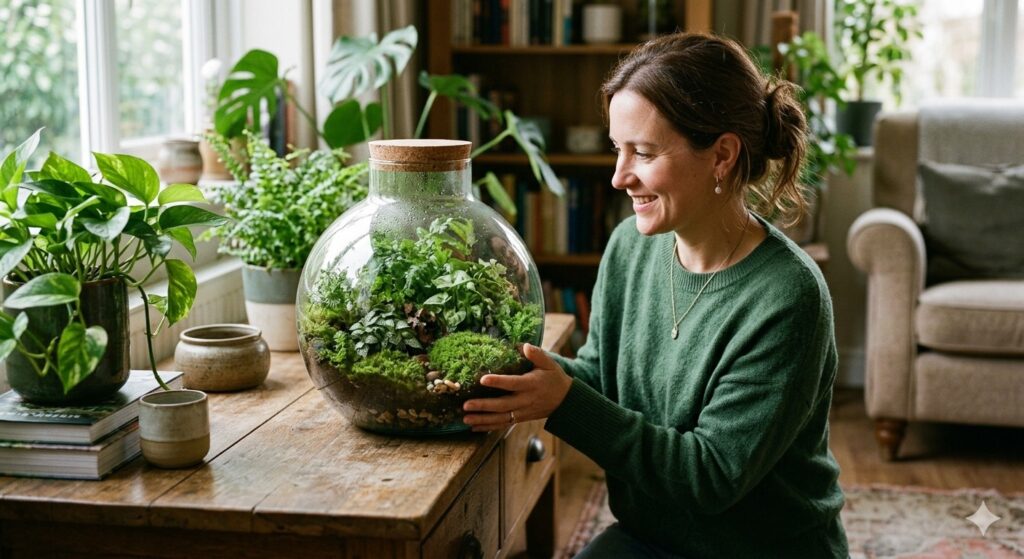
To understand lifespan, it helps to picture what’s going on in there. A closed terrarium is essentially a miniature water cycle. Plants release moisture through transpiration, that moisture condenses on the glass, and it drips back down into the soil. This loop repeats continuously.
Because of this cycle, a properly set-up closed terrarium rarely needs additional water. The system feeds itself. That’s what makes it so low-maintenance and so fascinating to watch over time.
However, the balance inside the glass is delicate. Too much moisture and you’ll see mold or rot. Too little and the plants dry out. Getting that balance right from the start is one of the biggest factors in how long your terrarium will thrive.
How long do closed terrariums last on average?
Here’s where things get exciting. A closed terrarium that’s been built with the right plants, the right substrate, and placed in the right spot can last anywhere from 2 to 50+ years. Yes, really. Fifty years.
The most famous example is David Latimer’s terrarium, which was sealed in 1972 and hadn’t been opened in decades when it went viral online. His spiderwort plant was still going strong, proof that these ecosystems can sustain themselves almost indefinitely under the right conditions.
Of course, most home terrariums don’t reach that legendary status. Realistically, a well-maintained closed terrarium will comfortably last 5 to 10 years before it needs significant intervention, like repotting or replanting.
Knowing how long do closed terrariums last depends on multiple variables, not just one magic formula. So let’s break down the key factors that influence their longevity. If you’re not sure closed terrariums are for you, check out our article comparing open vs closed terrarium here.
Key factors that affect your terrarium’s lifespan
Several things work together to determine how long your sealed glass garden keeps going and the good news is that most of them are totally within your control. Let’s walk through what actually matters most.
Light: the make-or-break element
Light is arguably the most important factor for a long-lasting closed terrarium. Too much direct sunlight will cook the plants inside and cause rapid moisture buildup, creating a breeding ground for rot and mold.
Bright, indirect light is the sweet spot. A spot near a north or east-facing window is often ideal, giving your terrarium enough energy without overheating the glass.
Choosing the right plants
Not all plants belong in a closed terrarium, and this choice directly impacts how long your ecosystem survives. Plants that love humidity, like mosses, ferns, and fittonias, are natural fits for the sealed environment.
Succulents and cacti, on the other hand, are a disaster inside a closed system. They need dry air and will rot quickly in the trapped moisture. Stick to moisture-loving species and your terrarium will thank you.
Soil layering and drainage
A good drainage layer at the base of your terrarium is non-negotiable. Without it, water accumulates at the root zone and causes rot that can wipe out your entire setup within weeks.
Typically, you’ll want a layer of pebbles or LECA at the bottom, followed by horticultural charcoal, and then your planting substrate. This system keeps the water cycling correctly instead of stagnating.
Signs that your closed terrarium is struggling
Even a well-built terrarium will show warning signs if something is going wrong. Catching these early makes a huge difference in whether you can rescue the ecosystem or have to start fresh. Here are the most common red flags to watch for.
- Excessive condensation — a light fogging on the glass is normal, but if you can barely see inside, there’s too much moisture
- Yellowing leaves — usually a sign of overwatering or insufficient light
- Black or mushy stems — root rot setting in, often caused by poor drainage
- White fuzzy growth — mold, which can spread quickly if not addressed fast
- Leggy, stretched plants — your terrarium needs more light
If you spot any of these early, don’t panic. Opening the lid briefly to let excess moisture escape, removing affected plants, or adjusting the light position can all bring things back into balance.
How long do closed terrariums last with proper care?
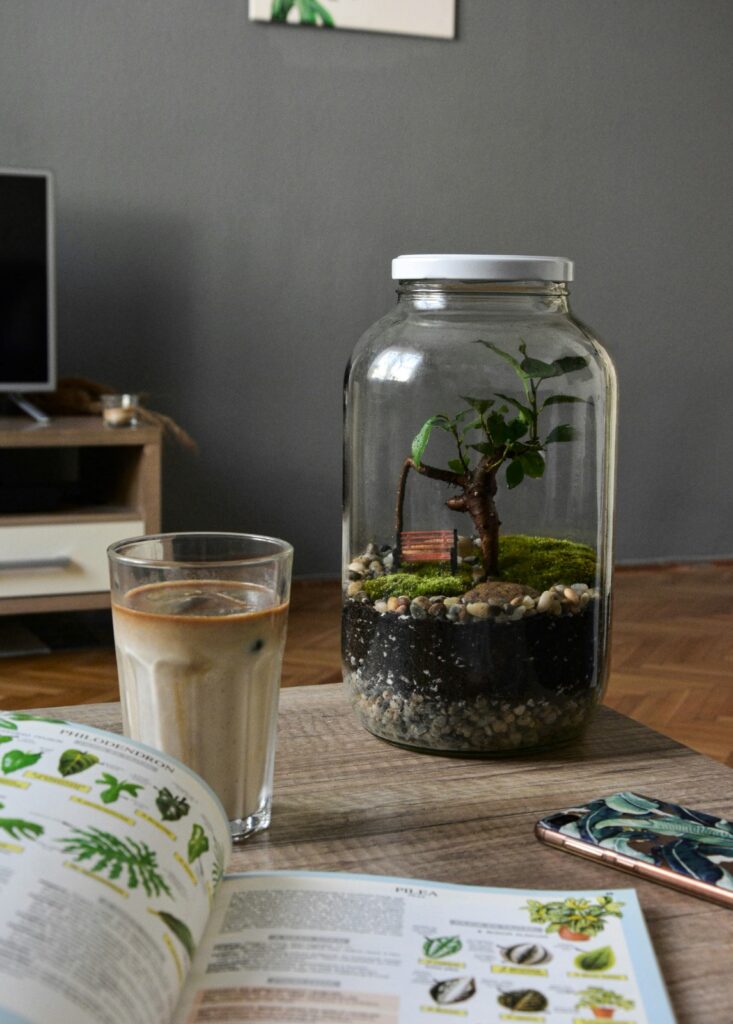
Here’s the truth: the word “closed” doesn’t mean zero maintenance. Even the most self-sufficient sealed terrarium benefits from occasional check-ins. Knowing how long do closed terrariums last is closely tied to how much attention you give it in those early months.
Monitoring moisture levels
In the first few weeks after sealing, you’ll want to watch the condensation closely. A little morning fog that clears by afternoon is perfectly healthy. If the glass stays cloudy all day, crack the lid for a few hours to let some moisture escape.
Once the system finds its balance, which usually takes two to four weeks, you can step back and let it do its thing. After that, monthly check-ins are usually more than enough.
Pruning and plant management
Plants don’t stay small forever, even in a closed system. As your terrarium matures, some species will grow faster than expected and start crowding others out. Regular, gentle pruning keeps things in check.
Trimming back aggressive growers every few months prevents one plant from taking over and suffocating the others. Consequently, every species in the terrarium gets the resources it needs to survive long-term.
Dealing with mold and pests
Mold is the number-one enemy of a long-lasting closed terrarium. It often appears as white fuzz on the soil surface and, if left unchecked, can spread to the plants themselves.
A small piece of activated charcoal buried in the substrate helps absorb excess gases and keeps the environment more balanced. If mold does appear, remove the affected area with a clean tool and crack the lid to air things out.
Can you reset a closed terrarium that’s failing?
Absolutely, and it’s more common than you might think. If your terrarium has reached the end of its natural cycle or something went wrong along the way, you don’t have to throw everything away.
Open the terrarium, remove any dead or diseased plant material, and let the soil air out for a day or two. Then reassess: does the substrate still look healthy? Is there still good drainage at the base? From there, you can replant with fresh specimens and reseal.
Many experienced terrarium keepers have refreshed the same glass container multiple times over the years. The glass itself is essentially permanent, it’s the living components that need occasional renewal.
Understanding how long do closed terrariums last also means accepting that some cycles will end and new ones will begin, and that’s completely natural. The glass container you started with can go on hosting life for decades.
How the container itself affects longevity
It’s easy to focus entirely on the plants and forget that the glass jar or bottle you choose plays a real role in how well your ecosystem holds up. Not every container is created equal shape, size, and seal quality all matter more than most beginners expect.
A tight-fitting lid is one of the biggest things to get right. Every time the seal shifts even slightly, moisture escapes and the internal humidity drops, stressing the plants over time. Bottle terrariums with a narrow neck and a snug cork tend to stay stable far longer than wide-mouth jars with loose lids.
Glass is also always the better choice over plastic. It doesn’t degrade, doesn’t leach anything into the soil, and holds up beautifully across years of use. If you’re building something meant to last, the container quality is just as important as the plants you put inside it.
Reading recommendation: before you go further
Before diving deeper into terrarium care, there’s one article worth bookmarking. It covers everything you need to know about keeping your terrarium plants healthy from day one.
Head over to “Terrarium plant care: what you must know first”, it’s a great companion to everything you’ve just read here. We’d love for you to check it out and keep building your knowledge.
The article walks you through plant selection, watering habits, light requirements, and the most common beginner mistakes. It’ll give you a much stronger foundation for long-term success.
You’ll find practical tips written in plain language, without the fluff. So if you’re serious about keeping your miniature ecosystem alive and thriving, that’s your next stop, go take a look!