
Your terrarium looks nothing like you imagined? Let’s fix this!
So your terrarium has seen better days. Maybe the plants are rotting, the soil smells off, or the whole thing just looks like a sad little swamp. You’re not alone and you can absolutely restart a terrarium and bring it back to life.
The truth is, even experienced terrarium keepers deal with this. A single wrong plant, too much water, or a forgotten lid can set off a chain reaction that’s hard to stop. But that doesn’t mean you have to toss everything and start over completely.
In fact, restarting gives you a chance to fix the mistakes that caused the problem in the first place. You’ll come out the other side with a much better understanding of what your terrarium actually needs to thrive long-term.
This guide will walk you through every step, from diagnosing what went wrong to rebuilding your setup with confidence. Grab your gloves let’s get into it.
First, figure out what actually went wrong
Before you touch anything, you need to understand the root cause of the problem. Jumping straight into pulling things apart without a diagnosis is how you end up making the same mistakes again.
Common signs your terrarium needs a full restart
Take a good look at what you’re dealing with. Sometimes the issue is obvious, mold covering the glass, plants turned to mush, or a layer of standing water at the bottom.
Other times, it’s a little more subtle, like yellowing leaves or an unpleasant smell coming from the substrate. Here are the most common red flags that signal it’s time to restart a terrarium rather than patch it up.
| Problem | Likely cause |
|---|---|
| White or grey fuzzy mold on soil | Excess moisture, poor airflow |
| Rotting plant stems | Overwatering or wrong plant species |
| Persistent bad smell | Anaerobic bacteria in waterlogged substrate |
| Standing water visible at bottom | No drainage layer or too much watering |
| Algae covering everything | Too much direct light |
| Soil compacted and pulling away from glass | Dried out or wrong soil type |
When a full restart is actually necessary
Not every problem requires a full teardown. If you’re dealing with one or two sick plants, you might just need to replace them and adjust your watering. However, if the substrate is compromised, especially if it smells sour or swampy, a full restart is the right call.
A full restart is also the best move when mold has spread through most of the soil. At that point, simply removing visible mold won’t fix the deeper issue lurking below the surface.
How to restart a terrarium: a step-by-step guide
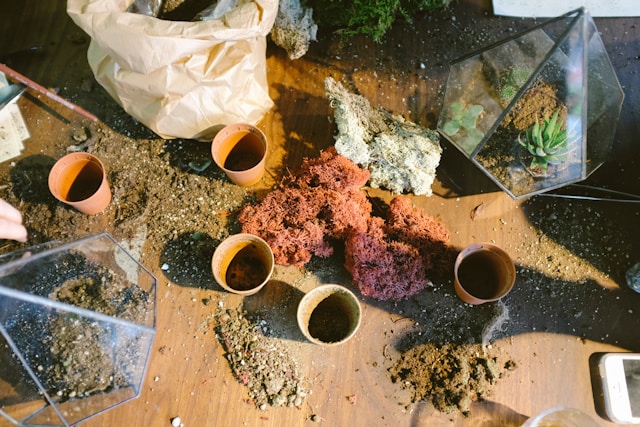
Alright, now that you know why things went wrong, it’s time to take action. Consequently, this process works for both open and closed terrariums, though the details will vary slightly depending on your setup.
Step 1: empty everything out
Start by removing all plants, rocks, decorations, and substrate. Be gentle with any plants you want to salvage. Set them aside in a small container with a damp paper towel to keep their roots from drying out while you work.
Dispose of any substrate that smells bad or looks waterlogged. Even if it looks okay on the surface, compromised soil can harbor bacteria and mold that’ll cause problems again quickly. Don’t try to reuse it, fresh substrate is worth the small investment.
Step 2: clean the container thoroughly
This step is easy to rush, but it matters a lot. Rinse the glass with warm water first, then wipe the inside down with a diluted white vinegar solution (roughly one part vinegar to three parts water). This helps remove any residue, mold spores, or mineral deposits on the glass.
Rinse it again with clean water afterward, you don’t want vinegar residue affecting your plants. Let the container air dry completely before you start rebuilding. Additionally, clean all rocks, figurines, or decorations you plan to reuse.
Step 3: assess which plants can be saved
Now’s the time to take a closer look at the plants you set aside. Healthy roots are firm and light-colored, if the roots are mushy, dark, or smell bad, that plant probably won’t recover. It’s a tough call, but adding a dying plant back into a fresh setup will only create more problems down the line.
For plants with partially damaged roots, you can try trimming away the rotted sections with clean scissors and letting the roots air dry for a few hours before replanting. This gives them a better shot at recovery in their new home. Meanwhile, research which plants actually suit your terrarium type so you don’t repeat the same mismatch.
Step 4: rebuild the layers correctly
This is where you restart a terrarium properly and getting the layers right is the most important part of the whole process. If you want to see a detailed article about terrarium layers, you can read it here.
A well-layered terrarium creates the right environment for roots and manages moisture the way plants actually need it. Here’s how to layer your substrate from bottom to top.
- Drainage layer: use pebbles, gravel, or LECA (lightweight expanded clay aggregate) about 2–4 cm (about 1-1.5 inches) deep. This keeps roots away from standing water.
- Separation layer: a thin layer of horticultural charcoal on top of the drainage helps reduce odor and filters the water as it moves through.
- Mesh or landscape fabric: optional, but it stops the substrate from mixing down into the drainage layer over time.
- Substrate: use a mix appropriate for your plants. Most tropical terrarium plants love a mix of coco coir, orchid bark, and a small amount of perlite for aeration.
Step 5: replant thoughtfully
Now comes the fun part. Place your plants starting with the tallest at the back and smaller ones toward the front. Give each plant enough space, overcrowding is one of the most common reasons terrariums fail in the first place.
Dig small holes in the substrate, place the plant, and gently press the soil around the base. Don’t pack it down too firmly, roots need room to breathe and spread. Once everything is in place, mist lightly with a spray bottle and close the lid if you have a closed terrarium
Caring for your terrarium after a restart
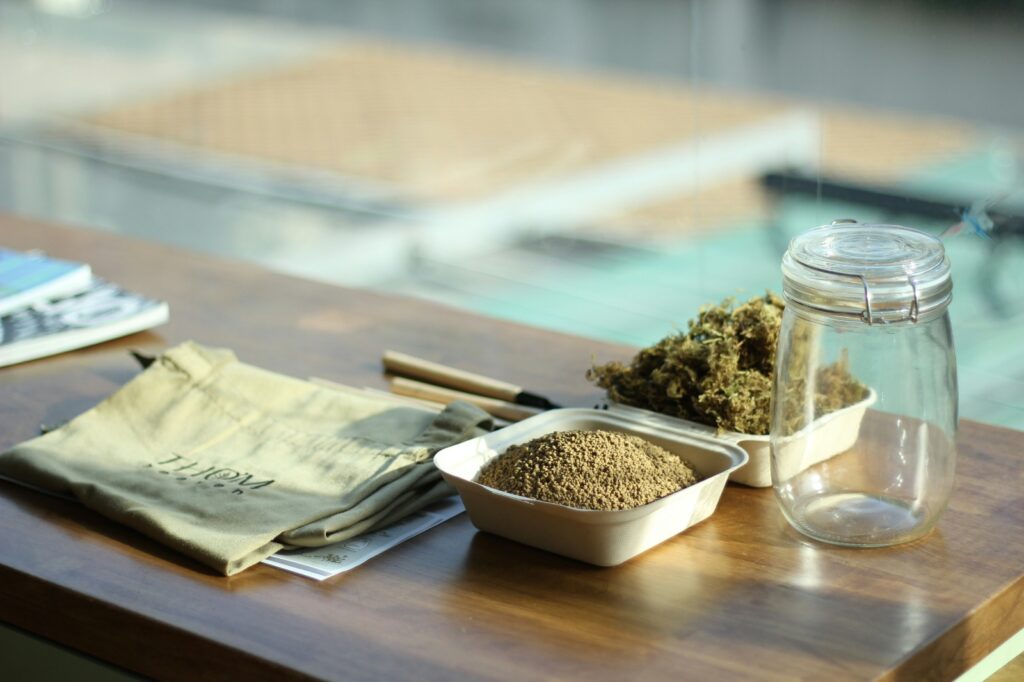
The first few weeks after you restart a terrarium are critical. Your plants are adjusting to a new environment, and it’s tempting to over-manage things, but restraint goes a long way here.
Watering habits that actually help
For closed terrariums, you may not need to add water at all for several weeks. The condensation cycle does a lot of the work on its own. If you notice too much condensation on the glass and it doesn’t clear by afternoon, prop the lid open slightly to let some moisture escape.
Open terrariums dry out faster, so check the soil with your finger before watering. If the top layer feels damp, wait another day or two. Overwatering after a restart is one of the most common reasons people end up restarting a second time.
Light, temperature, and positioning
Place your terrarium in bright, indirect light, most terrarium plants don’t tolerate direct sun, which can overheat the enclosed space and cook the plants. A spot near a window that gets morning light is usually ideal. Furthermore, avoid placing it near heating vents or air conditioning units, as temperature swings stress plants more than most people realize.
Keep an eye on things daily for the first couple of weeks. Watch for new growth, which is a great sign that your plants are settling in. On the other hand, wilting or yellowing soon after replanting might mean the plant needs more or less light, or that the roots are still recovering.
Mistakes to avoid the second time around
You’ve already done the hard work of restarting, now let’s make sure you don’t have to do it again. Therefore, keeping a few key principles in mind will save you a lot of frustration.
Choosing the right plants for the right environment
This is the single biggest cause of terrarium failure. Mixing tropical plants that need humidity with desert succulents in a closed terrarium, for example, means someone’s going home unhappy and it’s usually the cactus (or the whole setup). Research each plant’s needs before buying, and stick to species that genuinely thrive in similar conditions.
Also, check the adult size of the plants you’re choosing. A cute little fern at the shop can quickly outgrow a small terrarium and start suffocating everything around it. Start small, and leave room for growth. Luckily, there are plenty of compact species that stay manageable for years.
Keeping up with simple maintenance
Once your terrarium is up and running again, consistency is your best friend. You don’t need to spend hours on it each week, a few minutes of observation and the occasional trim will keep things healthy. However, ignoring it for weeks at a time is how small problems turn into big ones.
Remove dead leaves before they rot, wipe condensation if it becomes excessive, and trim plants that are starting to crowd each other. These small habits, done regularly, make a bigger difference than any single intervention when things go wrong. You’ve put the effort in to restart a terrarium, now let that work pay off.
Keep learning: terrarium maintenance schedule, keep it simple
If you made it this far, you’re clearly committed to making your terrarium work and that’s genuinely exciting. The next step is building a simple routine that keeps your setup healthy week after week, so you don’t end up in this situation again.
That’s exactly what the article “Terrarium maintenance schedule: keep it simple” is all about. It breaks down what to check and when, so you always know what needs attention and what can wait. We’d love for you to give it a read!
The article is designed for people who want a clear plan, not a complicated checklist that takes more time than the terrarium itself. You’ll find it helpful whether you’re managing a closed tropical setup or a more open desert-style container. Go check it out!
Think of the maintenance schedule as the companion to everything you just learned here. Now that you’ve restarted your terrarium with all the right layers and plant choices, the schedule keeps the momentum going. It’s the difference between a terrarium that thrives for years and one that slowly drifts back into chaos.