
Ready to light up your tiny ecosystem? These ideas will make you see your terrarium in a whole new way.
If you’ve ever looked at your terrarium at night and thought it could use a little extra magic, you’re definitely not alone. Glow terrarium decor is exactly the kind of creative twist that turns a pretty setup into something truly unforgettable.
Adding glowing elements doesn’t mean your terrarium needs a full makeover. Even a few small touches can completely change the mood of your space, especially once the lights go down and everything comes alive.
The good news is that there are so many options to explore, from glowing rocks and mushrooms to luminescent moss and hand-painted pieces. You don’t need a big budget or a ton of experience to pull this off.
So whether you’re building a brand new terrarium or giving an old one a refresh, this guide has everything you need. Let’s dive into the most creative and rewarding ideas out there right now.
Why glowing decor works so well in terrariums
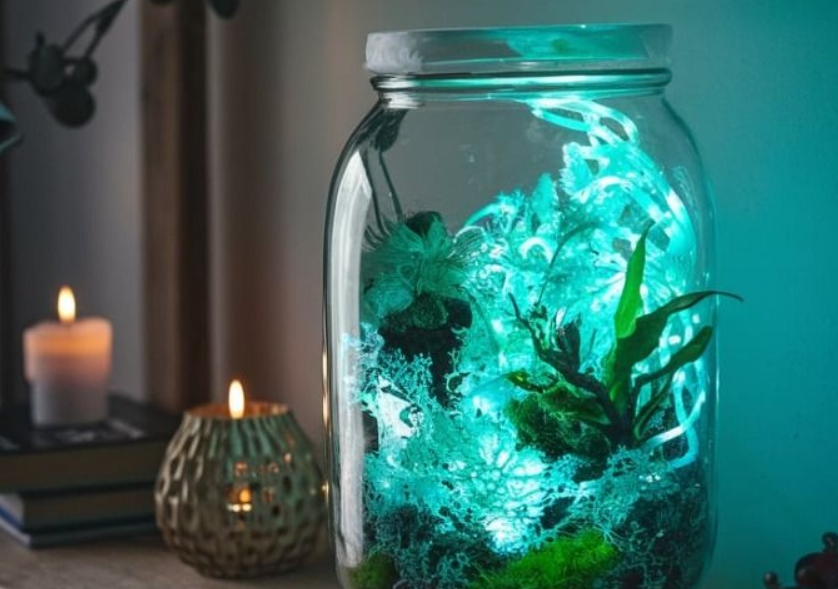
There’s something almost dreamlike about watching a terrarium glow softly in the dark. The enclosed environment creates a natural spotlight effect, light is contained, colors are intensified, and even the tiniest glowing detail becomes a focal point.
Terrariums already have a magical quality to them. They’re little worlds trapped in glass, and adding luminescent elements takes that feeling even further. Furthermore, glow decor works with both open and closed terrariums, so you’re not limited by your setup type.
Another reason this trend has taken off is how accessible it’s become. You can find phosphorescent paints, glow-in-the-dark pebbles, and UV-reactive materials at craft stores, online shops, and even some garden centers. The barrier to entry is honestly pretty low.
The science behind the glow
Phosphorescent materials absorb light during the day and release it slowly after dark. That soft, eerie glow you see on painted rocks or specialty stones? It comes from that stored energy being released over time.
UV-reactive materials work a bit differently. They only glow when exposed to a blacklight source. Both options are widely used in glow terrarium decor, and each creates its own distinct visual effect.
Choosing the right glow effect for your style
Not all glows are created equal. A soft greenish glow from phosphorescent pebbles has a very different vibe than the sharp, electric blue of UV-reactive resin mushrooms under a blacklight.
Think about the overall aesthetic of your terrarium before committing. A mossy woodland setup pairs beautifully with soft, organic glowing tones, while a desert or sci-fi themed terrarium might look incredible with bolder, more intense UV effects.
Learn how to get the lighting right by checking our article about LEDs vs natural light in a terrarium. Understand what your terrarium needs and find tips on how to improve lighting here!
7 glow-in-the-dark terrarium decor ideas
This is where it gets really fun. Below you’ll find some of the most popular and creative pieces people are using right now, including DIY-friendly options and ready-to-buy finds.
Glowing pebbles and stones
Phosphorescent pebbles are one of the easiest ways to get started with glow terrarium decor. They absorb light naturally throughout the day and release a gentle glow once darkness falls, no extra equipment needed.
You can scatter them along the substrate, use them to outline a path, or cluster them around a focal point like a miniature figurine or plant. They come in several colors, like green, blue, and purple being the most common.
Luminescent resin mushrooms
Resin mushrooms have become a staple in fantasy-themed terrariums, and the glowing versions are even better. They’re handcrafted pieces, often sold by independent artists, that look stunning both day and night.
During the day, they add a whimsical pop of color. After dark, they light up with a soft, enchanting glow that makes your terrarium feel like a scene straight out of a fairy tale. Additionally, they’re incredibly durable inside glass enclosures.
UV-reactive moss and faux plants
Some crafters and sellers create UV-reactive faux moss and miniature plants specifically designed for terrariums. Under a blacklight, these materials take on vivid, almost neon tones that look absolutely surreal.
Pairing UV-reactive greenery with real live plants creates a cool contrast, natural textures alongside otherworldly colors. Moreover, faux UV materials don’t require any care, making them a great low-maintenance addition to your setup.
Glow-in-the-dark painted rocks
Hand-painted rocks are a classic terrarium decoration, and painting them with phosphorescent or UV-reactive paint turns them into something truly special. You can paint them to look like planets, mushroom caps, or just abstract designs.
This is also a great DIY project if you enjoy crafting. All you need are some smooth stones, glow paint (available at most craft stores), and a bit of patience. Glow terrarium decor made by hand has a personal charm that bought pieces just can’t replicate.
Miniature glowing lanterns and orbs
Tiny lanterns and glowing orbs are perfect for adding a narrative element to your terrarium. They suggest a world within a world, as if tiny inhabitants left a light on before heading to sleep.
These pieces often use small LED mechanisms or phosphorescent coatings to produce their glow. They’re widely available in the fairy garden and terrarium communities, and they pair wonderfully with moss, ferns, and miniature figurines.
Glowing crystal clusters
Crystal clusters designed with phosphorescent coatings or UV-reactive elements are a more dramatic choice. They work especially well in desert or geological-themed terrariums where minerals and stone textures are already part of the aesthetic.
Under natural light, they look like beautiful mineral specimens. After dark (or under a blacklight) they transform into vivid, glowing formations that can become the centerpiece of your whole setup. These are some of the most visually striking pieces in glow terrarium decor.
Glow sand and substrate layers
Instead of focusing on individual decorative objects, some terrarium enthusiasts use phosphorescent sand as part of the substrate itself. This creates a glowing base layer that illuminates the entire bottom of the enclosure.
It works especially well in desert or beach-themed setups. Layering glow sand beneath regular substrate lets it peek through in unexpected ways, creating an effect that looks organic and intentional at the same time.
Tips for making the most of your glow setup
Getting the glow effect right involves a little planning. Here are some things to keep in mind as you design your terrarium around luminescent elements.
Light exposure matters. Phosphorescent pieces need adequate light exposure during the day to glow well at night. Make sure your terrarium gets enough indirect light, or place it near a lamp for a few hours before showing it off in the dark.
Layering creates depth. Don’t just place one glowing piece and call it done. Combining multiple glow elements — pebbles in the substrate, a mushroom focal point, and a glowing crystal in the back — creates a much richer, more immersive effect.
UV lights change the game. If you want to go all-in on UV-reactive decor, a small blacklight strip or bulb positioned near your terrarium will make everything come alive in a completely different way. It’s a low-cost upgrade with a huge visual impact.
| Decor type | Glow method | Best terrarium style |
| Phosphorescent pebbles | Absorbs daylight | Woodland, fairy garden |
| UV-reactive moss | Requires blacklight | Fantasy, sci-fi |
| Resin mushrooms | Phosphorescent coating | Fairy tale, forest |
| Glow sand | Absorbs daylight | Desert, beach |
| Crystal clusters | UV or phosphorescent | Desert, geological |
| Painted rocks | Phosphorescent paint | Any style |
| Miniature lanterns | LED or phosphorescent | Narrative, storybook |
Caring for your terrarium with glowing elements
Adding glow decor doesn’t change your terrarium’s basic care routine, but there are a few things worth thinking about. First, make sure any painted or coated pieces are fully sealed and non-toxic before placing them with live plants or animals.
Resin pieces and coated stones are generally very safe once cured, but it’s always a good idea to check with the seller or manufacturer if you’re unsure. Most glow terrarium decor sold specifically for terrariums is designed to be safe for enclosed environments.
Also, keep in mind that UV lights emit minimal heat, but you’ll still want to monitor temperature if you’re using one inside a closed terrarium. A small thermometer goes a long way in keeping your setup stable and your plants happy.
Cleaning glowing pieces is usually easy. A soft brush or damp cloth is enough for most materials. Avoid harsh cleaners, as they can damage phosphorescent coatings over time and reduce the intensity of the glow effect.
A read you’ll love: forest terrarium aesthetic
If glowing terrariums have sparked your creativity, you’re going to enjoy exploring another side of miniature ecosystem design. There’s a whole world of woodland-inspired setups that pair beautifully with the glowing elements you’ve just discovered.
Forest-style terrariums are rooted in natural textures, earthy tones, and layered plant arrangements that feel like you’ve bottled a piece of an actual forest. Interestingly, many of the glow decor pieces covered in this article, like luminescent mushrooms and moss. It fits right into that aesthetic.
We’ve put together a full guide on exactly how to nail that look from scratch. It covers everything from plant selection to substrate layering, and it’s full of practical tips that work for beginners and experienced hobbyists alike.
Go check out “Forest terrarium aesthetic: how to nail it”, you’re going to find tons of inspiration to take your terrarium game to the next level.