
Your terrarium’s back wall is the secret ingredient you’ve been ignoring all along!
If your terrarium feels like something’s missing, you’re not alone. Terrarium background ideas are one of the most underrated tools for completely transforming how your build looks and feels.
A great background does far more than fill empty space. It creates real depth, frames your plants beautifully, and sets the entire mood of your miniature scene.
The good news is you don’t need to be an artist or spend a fortune. There are options for every skill level, every budget, and every style you can imagine.
So let’s dig in! By the end, you’ll have a clear picture of what works, what looks amazing, and exactly how to get started on your terrarium makeover.
Does the background really matter?
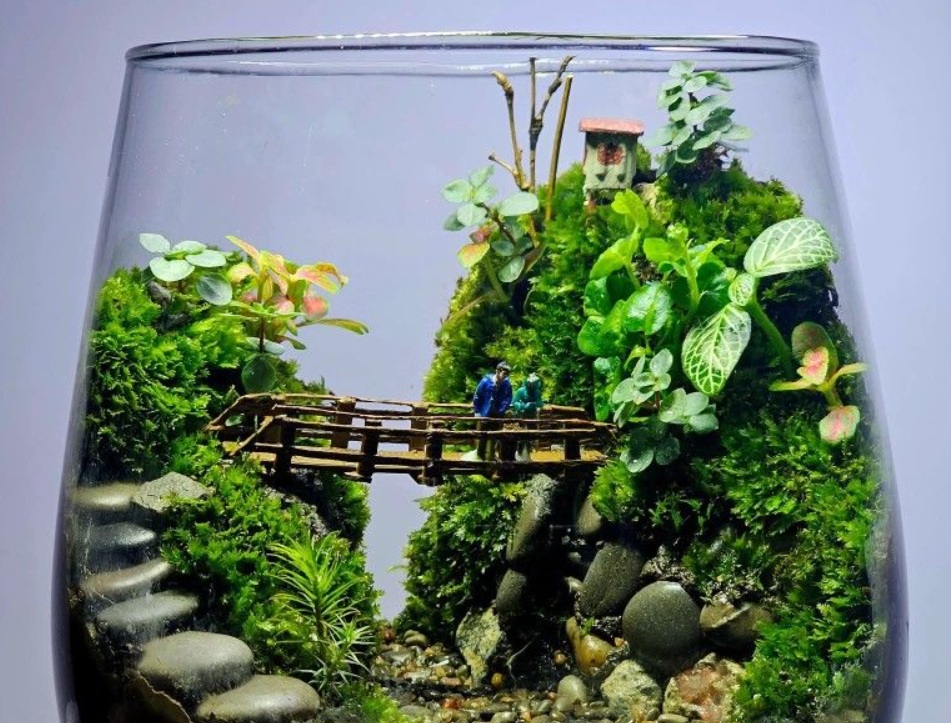
Most people spend a lot of time choosing the perfect plants and substrate, but the background often gets overlooked. That’s a shame, because a well-chosen backdrop can make even a modest plant selection look like a professional display.
Think of it like a stage set. Even the most talented actors look better with a compelling backdrop behind them. The same principle applies here, your plants are the stars, and the background is what gives them context, contrast, and visual weight.
Fortunately, terrarium background ideas range from quick DIY fixes to more elaborate builds, so you can choose the level of effort that suits you. And once you see the difference a background makes, you’ll wonder how you ever built without one.
Background ideas to bring your terrarium to life
Here’s where the fun really begins. Below you’ll find a range of background styles to inspire you. Find natural textures and even painted finishes! Each one brings something different to the table, so take your time and think about the atmosphere you want to create.
Cork bark panels
Cork bark is a fan favourite, and it’s easy to see why. It’s natural-looking, lightweight, and it doubles as a climbing surface for mosses, ferns, and even small epiphytes like tillandsias.
You can glue sheets of cork bark directly to the back glass panel of your terrarium using aquarium-safe silicone. Once mosses establish themselves, the whole surface starts to look incredibly organic and alive.
Over time, cork develops its own patina and becomes even more beautiful. It works especially well in tropical setups where the humidity encourages lush green growth to spill across its surface.
Foam rock backgrounds
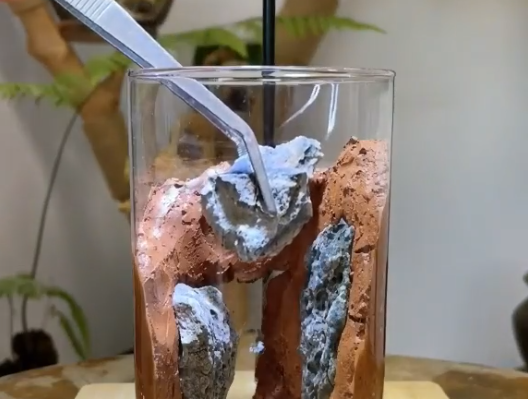
Expanding foam and carving tools might sound intimidating, but foam rock backgrounds are one of the most satisfying DIY projects you can take on as a terrarium hobbyist. The results genuinely look like real stone.
You pour or spray the foam, let it expand and cure, then carve it into whatever rock texture you like. After sealing it with aquarium-safe paint and a waterproof coating, it becomes a permanent fixture inside your build.
These terrarium background ideas work brilliantly in reptile setups, arid vivariums, and bioactive builds. They’re also surprisingly durable once sealed properly, holding up well even in humid environments with regular misting.
Live moss walls
A live moss wall background is one of the most breathtaking options available and it’s more achievable than most people realise. Sheet mosses like Hypnum or mood moss attach readily to cork or mesh backing and thrive with gentle misting.
The key is to keep moisture levels consistent and ensure the moss gets indirect light. Once it settles in, the wall practically maintains itself and stays a vivid, lush green that no artificial material can replicate.
These terrarium background ideas suit closed terrariums particularly well, where humidity stays naturally high. The effect inside the glass is absolutely magical like peering into a miniature forest floor from the outside. Find out more about moss varieties and how to use them here!
Printed vinyl backgrounds
If you’re working with a tighter budget or a smaller terrarium, printed vinyl backgrounds are a brilliant option. You simply stick them to the outside back panel of your glass, no adhesives inside, no mess, no drama.
These come in dozens of designs: rainforest canopies, rocky cliffs, underwater scenes, sandy dunes, and more. The depth of field in a good print creates a surprisingly convincing illusion of space, especially in smaller builds.
They’re also easy to swap out when you want a change. This makes terrarium background ideas based on vinyl particularly appealing for beginners who aren’t ready to commit to a permanent build just yet.
Natural stone slabs
Real stone slabs — think slate, sandstone, or flagstone pieces — can be arranged and layered to create a gorgeous natural backdrop. They’re especially effective in dry or desert-themed builds where you want an authentic mineral texture.
Stone pieces can be stacked or leaned against the back glass, held in place by substrate or silicone. Thinner pieces work best so they don’t take up too much valuable floor space inside the terrarium.
One thing to keep in mind is weight. Natural stone adds significant mass to your build, so make sure your shelf or stand can handle the load. That said, the visual payoff is incredible, raw stone has a timeless quality no synthetic material can match.
Painted backgrounds
Sometimes the simplest option delivers the biggest impact. A coat of dark green, deep black, or earth-toned paint on the outside back panel of your terrarium can dramatically improve how your plants pop visually.
Dark backgrounds make colours appear richer and more vibrant. Green plants look more luscious, bright flowers look bolder, and the whole interior of the terrarium gains a sense of depth that a plain glass back just can’t offer.
These terrarium background ideas take minutes to apply and cost almost nothing. If you want to add texture, you can layer multiple shades using a sponge or brush to mimic stone, soil, or foliage, no artistic expertise required!
How to choose the right background for your setup
Choosing the right background comes down to a few key factors: the type of animals or plants you’re housing, the humidity level inside the build, and how much time you want to invest in the setup process.
For tropical terrariums, organic materials like cork bark and live moss are natural fits. They thrive in moisture and integrate seamlessly with the plants around them. For desert or arid setups, foam rock or natural stone creates a more believable environment.
If you’re just starting out, don’t overthink it. A painted background or vinyl sheet gets you started immediately and gives you something to work with while you figure out your long-term vision. These terrarium background ideas are especially forgiving for new hobbyists.
It also helps to think about the depth of your terrarium. Shallow builds benefit most from printed or painted backdrops that trick the eye into seeing more space. Deeper tanks can handle built-up 3D backgrounds without the interior feeling cramped.
Tips for installing your terrarium background
Installation is often the step that trips people up, but it really doesn’t have to be. Here are a few practical pointers to make the process smooth.
| Background type | Installation method | Best for |
|---|---|---|
| Cork bark | Aquarium-safe silicone | Tropical, bioactive |
| Foam rock | Carved, painted, sealed | Reptile, arid, bioactive |
| Live moss | Attached to mesh or cork | Closed tropical terrariums |
| Vinyl print | Adhesive on outside glass | Beginners, all types |
| Natural stone | Stacked or siliconed | Desert, rocky setups |
| Painted finish | Paint on outside glass | Any setup, budget-friendly |
Always let adhesives cure fully before adding water, substrate, or animals. Most aquarium-safe silicones need at least 24 to 48 hours. Rushing this step is one of the most common mistakes beginners make.
Also, consider sealing any porous materials that will be inside a humid environment. Untreated foam, for example, can absorb water and break down over time. A coat of aquarium-safe sealant protects it and makes it far more durable in the long run.
Finally, test your background in place before making it permanent. Hold it up against the glass, take a photo, and live with it for a day. Terrarium background ideas always look a little different once they’re inside the build, so it’s worth taking that extra step before committing.
Mixing textures for a layered look
One of the most effective techniques in terrarium design is layering different background materials to create a more complex, natural feel. You don’t have to choose just one, combining materials often produces the best results.
Try pairing a dark painted back panel with a foreground of cork bark pieces. The contrast between the flat, dark backdrop and the three-dimensional cork creates a wonderful sense of perspective. Add a patch of live moss and you’ve got three distinct textures working together beautifully.
Similarly, natural stone pieces arranged in front of a foam rock background add a convincing sense of geological depth. These terrarium background ideas work because they mimic the way materials actually appear in nature, layered, varied, and never perfectly uniform.
You might also love: seasonal terrarium decor you can swap out
If you enjoyed exploring background ideas, you’re going to love thinking about how to refresh your terrarium throughout the year. Decor doesn’t have to be permanent, and swapping elements out seasonally keeps your build feeling fresh and exciting all year long.
There’s a whole world of ideas waiting for you when it comes to seasonal styling! You can find things like adding autumn leaf litter in cooler months to bright, flowering accents in spring. It’s a wonderful way to stay creative and keep your terrarium feeling alive.
We’d love for you to check out the article “Seasonal terrarium decor you can swap out” for a deep dive into this approach. It covers practical swapping techniques and styling ideas that pair perfectly with everything you’ve just read here.
That article will show you how small changes can completely transform your terrarium’s mood without a full rebuild. You’ll walk away with a seasonal calendar of ideas you can actually use.
Go ahead and give it a read! You might be surprised how much creative freedom you gain once you start thinking of your terrarium as something that can evolve and grow alongside the seasons.