
Something feels off with your moss? Let’s figure this out together!
You set up your terrarium with so much care, and everything looked stunning at first. Then, little by little, your moss started losing that gorgeous green color, and now you’re staring at patches of brown.
Moss turning brown in terrarium setups is one of the most common concerns new hobbyists face. The good news? It’s almost always fixable once you understand what’s actually going on.
Moss is surprisingly sensitive to its environment, and even small changes can trigger visible stress. Understanding those triggers is the first step toward helping your miniature ecosystem recover.
So let’s walk through the most likely reasons your moss is struggling and what you can do about it, starting right now.
Why is your moss changing color?
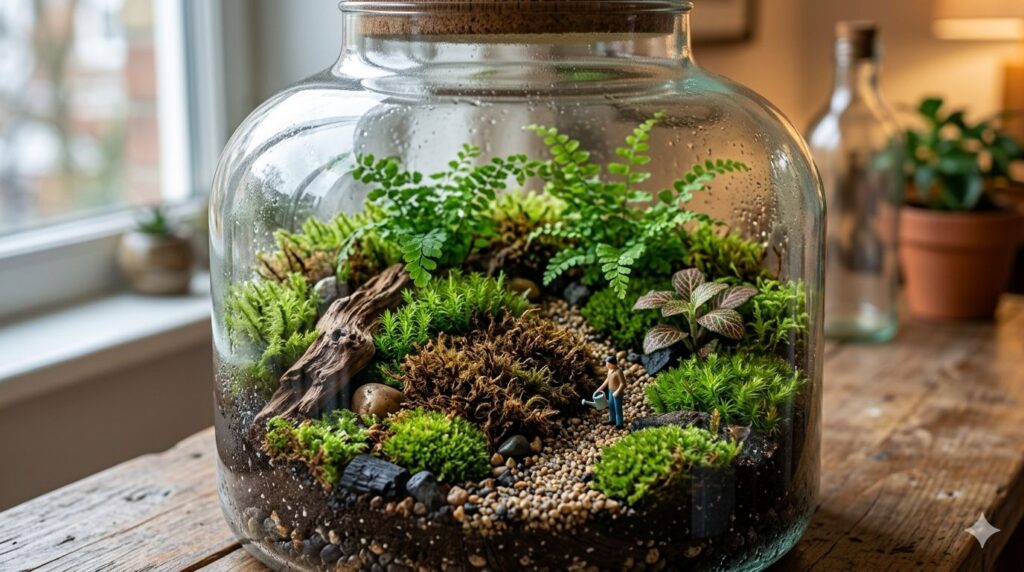
Before panicking, it’s worth knowing that not all brown moss is dead moss. Color change can mean a few different things, depending on the type of moss you’re growing and the conditions inside your terrarium.
Some species go through natural dormancy cycles and turn a bit brownish before bouncing back. Others are sending you a very clear distress signal. Either way, the color shift is your moss communicating with you, and that’s actually helpful.
Furthermore, understanding what kind of change you’re seeing makes a big difference. The browning pattern is your first clue. Here’s what each one usually points to.
- Brown tips: typically a sign of low humidity or too much light hitting the surface directly
- Brown base: often linked to overwatering, poor drainage, or rotting substrate underneath
- All-over fading: usually suggests water quality issues, temperature stress, or a dormancy cycle
- Patchy, uneven browning: can indicate airflow problems, compacted substrate, or uneven moisture distribution
Moss turning brown in terrarium environments usually comes down to a handful of root causes, and we’ll go through each one in detail so you can identify what’s happening in your setup. You can also check this article here about why the plants in your terrarium are dying and how to fix that.
The most common reasons moss turns brown
There are a few usual suspects when it comes to moss losing its color, and most of them are easier to fix than you’d think. Let’s break down the main ones so you can figure out which one, or which combination, is affecting your setup.
Too much light exposure
Moss loves soft, diffused light, not direct sun. If your terrarium is sitting near a window that gets strong afternoon sun, that heat and intensity can scorch the moss and turn it brown surprisingly fast.
Interestingly, even artificial grow lights can be too intense if placed too close. The sweet spot for most moss species is bright but indirect light, ideally between 12 and 14 hours per day.
Not enough humidity
Moss absorbs water directly through its surface rather than through roots, which means it depends heavily on ambient moisture. When the humidity inside your terrarium drops too low, the moss dries out and starts browning from the tips inward.
Open terrariums are especially vulnerable to this. Without a lid or partial cover to trap moisture, the internal environment can dry out faster than you’d expect, particularly in heated or air-conditioned rooms.
Overwatering and poor drainage
On the flip side, too much water is just as damaging. When moss sits in waterlogged conditions without proper drainage, it can start to rot at the base, and that rot shows up as brown, mushy patches that spread over time.
Moss turning brown in terrarium setups from overwatering often looks darker and feels slimy to the touch, which is different from the dry, crispy look of underwatering. That texture is your first clue.
Water quality matters more than you think
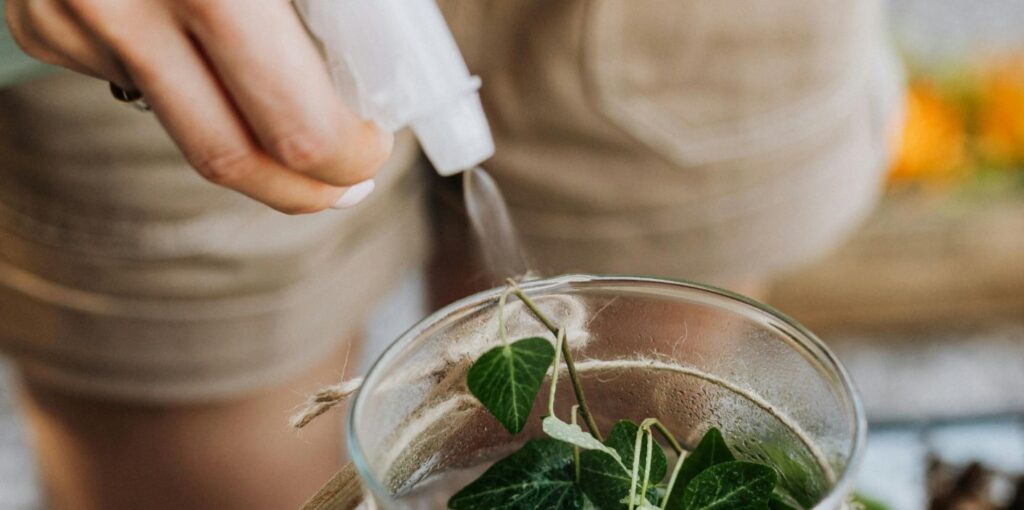
Here’s something that surprises a lot of people: tap water can actually hurt your moss. Many municipal water supplies contain chlorine, fluoride, and other additives that are harmless to humans but genuinely stressful to sensitive plants like moss.
Over time, those chemicals build up in the substrate and create a toxic environment. The result? Gradual browning that doesn’t seem to respond to anything you try, because you’re treating the symptoms without addressing the actual cause.
The fix here is simple. Switch to rainwater, distilled water, or water that’s been left out overnight to let the chlorine off-gas. Your moss will thank you pretty quickly.
Additionally, when you water, aim to mist rather than drench. Moss doesn’t need much, just enough to stay moist, not soaked.
Temperature stress and air circulation
Moss is more sensitive to environmental shifts than most people expect. Both temperature swings and poor air movement can stress your moss quickly, and the two problems often show up together, making things worse faster.
When it gets too hot
Moss is a cool-weather plant at heart. Most species thrive between 60°F and 75°F (15°C to 24°C). When temperatures inside the terrarium climb above that range, especially in sealed setups that trap heat, the moss can go into stress and start browning.
Glass terrariums sitting in direct sunlight can heat up extremely fast, reaching temperatures that would surprise you. It’s worth monitoring the internal temperature with a small thermometer if you’re not sure.
Stale air and poor ventilation
Closed terrariums need some form of air exchange to prevent mold and ensure healthy plant growth. Without occasional ventilation, stale, stagnant air can contribute to browning, especially combined with excess moisture.
Opening your terrarium lid for a few hours every week can make a noticeable difference. This simple habit helps regulate both temperature and humidity while keeping the air fresh and circulating.
The role of moss type in resilience
Not all moss is equally tolerant. Some species, like sheet moss and cushion moss, are quite forgiving, while others, like java moss or certain feather mosses, are a bit more demanding about their conditions.
Moss turning brown in terrarium setups can sometimes just mean you’ve got a species that’s not well-matched to your specific environment. Researching your particular moss type can save you a lot of guesswork and frustration.
How to bring your moss back to life
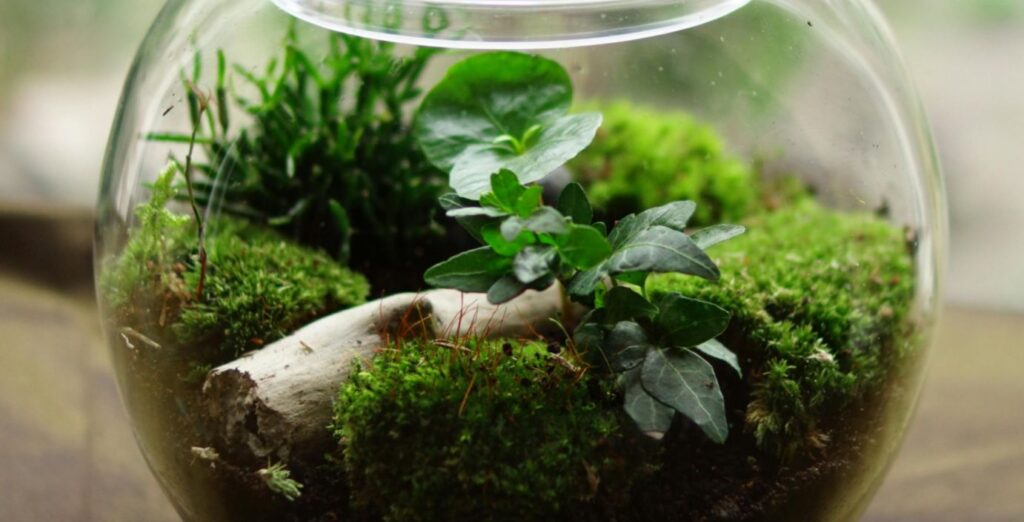
Good news: in most cases, moss is more resilient than it looks. If you catch the problem early and make the right adjustments, there’s a solid chance your moss will bounce back. Here’s where to start.
Start with the environment, not the plant
The instinct when something’s going wrong is to do more. More misting, more light, more adjustments. However, with moss, less is often more. The first step is to stabilize the environment rather than overreact.
Remove your terrarium from direct light, check that drainage is working properly, and let things settle for a few days before making multiple changes at once.
Trim the brown bits
If only parts of your moss are affected, trimming away the brown sections can help the healthy portions recover faster. Dead material can harbor mold and bacteria that spread to healthy moss, so removing it early is a good habit.
Use small scissors or tweezers, and be gentle, moss doesn’t have deep roots, so it can be dislodged easily if you’re not careful.
Give it time
Moss turning brown in terrarium conditions doesn’t always mean it’s dead. Dormant moss can look completely brown and lifeless, and still bounce back once conditions improve. If you’ve addressed the likely causes, give it two to three weeks before giving up.
Sometimes, patience really is the most effective tool you have. Keep the environment stable, resist the urge to over-tinker, and let your moss do its thing.
Prevention tips to keep your moss green
Keeping your moss healthy long-term is really about building a few consistent habits. Once these become part of your routine, you’ll likely never deal with browning again, or at least catch it way before it becomes a real problem.
- Mist consistently but lightly: daily misting in small amounts is better than heavy watering every few days
- Use a hygrometer: a small humidity meter inside your terrarium takes the guesswork out of moisture management
- Choose the right spot: bright, indirect natural light is ideal; avoid south-facing windows without a filter
- Use rainwater or distilled water: this alone can make a dramatic difference over time
- Ventilate regularly: even closed terrariums benefit from occasional airflow
- Match moss to your setup: research your specific species before assuming one-size-fits-all care applies
Consistently following these habits keeps small problems from turning into big ones. Moreover, most of them are quick, low-effort adjustments that fit easily into a weekly routine.
When to start fresh
Sometimes, despite your best efforts, the moss just doesn’t recover. If, after three to four weeks of improved conditions, there’s no new green growth and the moss feels completely dry and brittle, it may be time to remove it and start fresh with a new batch.
The good news is that moss is widely available and affordable. Starting fresh gives you a clean slate, and the knowledge you’ve gained means your next attempt will go much better.
Moss turning brown in terrarium setups is frustrating, but it’s also one of the best learning experiences you’ll have as a terrarium keeper. Each challenge teaches you something that sticks.
Keep learning: terrarium plant care!
If you’ve been working through moss issues, you’re probably realizing that plant care inside a terrarium is its own world, and there’s a lot more to explore beyond just moss.
We’d love for you to check out “Terrarium plant care: what you must know first”. It covers the foundational knowledge that makes every other care decision easier and more confident.
That article walks you through soil layers, watering habits, lighting setups, and plant selection in a way that’s easy to follow, even if you’re just getting started.
Give it a read! It might answer questions you didn’t even know you had yet, and it’ll give you a much stronger base for keeping your entire terrarium thriving long-term.