
Your terrarium looked perfect and now something’s moving in it? Let’s figure out what you’re up against!
If you’ve ever lifted the lid of your terrarium and noticed something crawling around in the soil, you’re not alone, terrarium pests are one of the most common problems plant lovers run into.
The good news is that most infestations are very manageable once you know what you’re dealing with. The tricky part is that a lot of these critters look similar at first glance, and treating the wrong pest the wrong way can actually make things worse. So, knowing your enemy is step one.
Your terrarium is a warm, humid, enclosed little world and unfortunately, that makes it basically a five-star resort for certain bugs. They love the moisture, the organic matter, and the fact that predators can’t get in.
In this article, you’ll find everything you need to identify what’s living in your terrarium uninvited, understand why it happened, and figure out how to deal with it without harming your plants or the ecosystem you’ve worked so hard to build.
The most common terrarium pests and what they look like
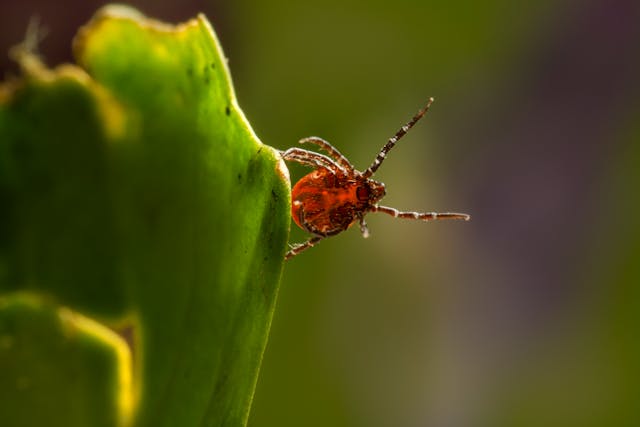
Before you can treat a problem, you need to be sure you’ve actually got one. Not every tiny creature you spot in your terrarium is a pest, some are actually beneficial. But a few definitely are not, and those are the ones we’re here to talk about.
Fungus gnats
Fungus gnats are probably the most common terrarium pests people encounter. They’re small, dark flies — about 2–3mm (about 1 inch) long — and they tend to hover around the soil surface or gather near the glass walls of your enclosure.
The adult gnats are mostly harmless on their own, but their larvae are a different story. The larvae live in the soil and feed on roots, fungi, and organic matter, which can weaken or even kill your plants over time.
You’ll often notice them first by their movement, they dart around in a jerky, random pattern that’s pretty distinctive. If you see tiny flies inside your terrarium and your plants are looking a bit sad and droopy, fungus gnats are a very likely culprit.
Springtails — friend or foe?
Here’s a fun twist: springtails are often mistaken for terrarium pests, but they’re actually your friends. These tiny white or grey creatures jump when disturbed (hence the name), and they help break down decaying organic matter in the soil.
Many terrarium enthusiasts actually add springtails to their setups on purpose as part of a clean-up crew. So if you spot tiny jumping specks and your plants look healthy, there’s a good chance you’ve got nothing to worry about.
That said, if springtail populations explode (which can happen when there’s too much moisture or decaying material) it can be a sign that something else is off in your terrarium’s balance. In large numbers, they can become a nuisance even if they’re not technically harmful.
Mites
Mites are another story entirely. There are a few types that can show up in terrariums, and not all of them are bad. Soil mites, for example, are generally harmless decomposers. But spider mites and predatory mites are a bigger concern.
Spider mites are extremely small, often red or brown, and you’ll typically notice fine webbing on your plants before you even see the mites themselves. They feed on plant cells and can spread quickly in dry conditions though they can also thrive in humid environments if left unchecked.
Identifying mites correctly matters a lot because the treatment varies significantly depending on the species. When in doubt, use a magnifying glass and look for the telltale webbing or tiny moving dots on leaves and stems.
Why terrarium pests show up in the first place
Understanding how these bugs got into your terrarium in the first place helps you prevent them from coming back. In most cases, pests don’t appear out of nowhere, they hitch a ride.
The most common entry points are contaminated soil, plants that weren’t properly inspected before going into the terrarium, and decorative elements like driftwood or rocks that were collected outdoors. Even store-bought plants can carry eggs or larvae that aren’t visible to the naked eye.
There’s a complete article about how to make the best substrate mix that might help you out. Check it out here and make a thriving terrarium!
Overwatering is another major factor. Excess moisture creates the perfect breeding ground for terrarium pests like fungus gnats and mold mites. If your substrate is staying soggy for days after watering, that’s a red flag worth addressing even before pests appear.
| Entry point | Most likely pest | Prevention tip |
|---|---|---|
| Contaminated soil | Fungus gnats, mites | Always use sterile or baked substrate |
| New plants | Spider mites, scale | Quarantine plants for 1–2 weeks first |
| Outdoor materials | Springtails, mites | Bake or freeze materials before use |
| Overwatering | Fungus gnats, mold mites | Improve drainage and ventilation |
| Second-hand pots | Mites, scale, aphids | Clean and sterilize containers thoroughly |
How to treat terrarium pests without wrecking your ecosystem
Okay, so you’ve confirmed you have a pest problem. Now what? The approach you take depends heavily on which pest you’re dealing with and how severe the infestation is. There’s no one-size-fits-all fix here.
For fungus gnats
The first thing to do is reduce moisture. Let the substrate dry out a little more between waterings (if your plants allow it), because fungus gnat larvae can’t survive in drier conditions. This alone can dramatically slow down an infestation.
For a more active approach, yellow sticky traps placed near the terrarium opening are great for catching adult gnats. They won’t eliminate the larvae, but they’ll reduce the population significantly and give you a better sense of how bad the problem is.
If the infestation is severe, Bacillus thuringiensis israelensis (Bti) is a biological control that’s safe for plants, animals, and beneficial soil organisms. You apply it as a soil drench, and it targets the larvae specifically. It’s one of the most effective and least disruptive treatments available.
For spider mites
Spider mites thrive in dry conditions, so increasing humidity — something terrariums are usually good at — can help suppress them. That said, if you already have an established population, you’ll need to take more direct action.
Neem oil diluted in water is a popular organic treatment that works well against spider mites. Apply it carefully to affected leaves, making sure to cover the undersides where mites tend to congregate. Repeat every few days for at least two weeks to break the life cycle.
For severe infestations, you might need to remove heavily affected plants from the terrarium entirely, treat them separately, and only reintroduce them once the situation is under control. It’s a bit of extra work, but it protects the rest of your setup.
For mites in general
Not all mite infestations require treatment, as mentioned earlier, soil mites are harmless and even beneficial. The key is to correctly identify what you’re dealing with before reaching for any treatment.
If you’re seeing damage on leaves or webbing, treat as you would for spider mites. If you’re just seeing tiny dots moving around in the soil and your plants look healthy, there’s a very good chance those are soil mites doing their job, and you can leave them alone completely.
Prevention: keeping terrarium pests away for good
Prevention is always easier than treatment, and thankfully there are some straightforward habits that go a long way. Most of them come down to being careful about what goes into your terrarium.
- Sterilize your substrate before use. Bake it in the oven at around 82°C (180°F) for 30 minutes — this kills most eggs and larvae without affecting its structure. Any natural materials like wood, bark, or stones collected from outside should also be baked or frozen before they go in.
- Quarantine new plants. Keep any new plant in a separate container for one to two weeks and check it regularly for signs of pests before introducing it to your terrarium. It adds a bit of waiting time, but it’s absolutely worth it.
- Make sure your terrarium has adequate ventilation. Stagnant air combined with high humidity is a dream setup for terrarium pests. A small mesh vent or regular brief opening of the lid goes a long way toward keeping conditions inhospitable for unwanted visitors.
- Do regular visual checks. You don’t need to spend a lot of time on it — just a quick look every few days when you water. Catching a problem early makes everything so much easier to manage, and you’ll start recognizing what “normal” looks like in your specific setup.
A few words on biological controls
Biological controls are a fantastic, eco-friendly option that more and more terrarium enthusiasts are turning to. Instead of chemical treatments, you introduce natural predators or competitors that keep pest populations in check.
Predatory mites, for example, can be introduced to combat spider mite infestations. They feed on the pest mites without harming your plants or other soil organisms. Once they’ve eaten their way through the pest population, their own numbers naturally decline.
Springtails and isopods (also known as roly-polies or pill bugs) are widely used as clean-up crews in bioactive terrarium setups. They consume decaying plant matter and mold, which indirectly reduces the conditions that attract terrarium pests in the first place.
They’re genuinely one of the best long-term prevention tools you can add to any terrarium. Biological controls take a little more planning upfront, but they tend to create a more stable, self-regulating environment over time and that’s the goal with any terrarium worth maintaining.
Keep reading: terrarium mold is another challenge worth knowing about
If you’ve been dealing with pests, there’s a good chance mold might be lurking around the corner too, or maybe it’s already there. Terrarium mold tends to appear under similar conditions: too much moisture, poor airflow, and organic material breaking down faster than your setup can handle.
The good news is that not all mold is dangerous, and a lot of it can be treated easily once you know what you’re looking at. Learning to tell the difference between harmful mold and harmless fungi is a genuinely useful skill for any terrarium keeper.
We have an article that walks you through exactly that: “Terrarium mold: how to spot it and stop it“. It covers the most common types of mold, what causes them, and the best ways to get rid of them, or prevent them from appearing in the first place. We think you’ll find it really helpful.
Go ahead and check it out! Pairing your knowledge of terrarium pests with a solid understanding of mold will give you everything you need to keep your little ecosystem happy, healthy, and looking its best for a long time.