
Your plants are counting on you: here’s the exact cleaning routine that keeps them thriving!
Keeping a terrarium looking its best takes more than just watering and hoping for the good. Knowing how to clean a terrarium the right way is one of those skills that makes a real difference in how your plants grow over time.
A lot of terrarium owners skip cleaning until something looks obviously wrong, like cloudy glass or a funky smell. But by then, the buildup of algae, dead leaves, and bacteria may already be stressing your plants out more than you’d think.
The good news is that cleaning a terrarium doesn’t have to be a big production. With the right approach, you can get things sparkling without disturbing the roots, disrupting the soil, or shocking the ecosystem you’ve worked so hard to build.
So grab a soft cloth and let’s talk through everything you need to know. Like how often to clean, and the tools that actually work, find the steps that’ll keep your plants happy and your glass crystal clear.
Why cleaning your terrarium is a good idea
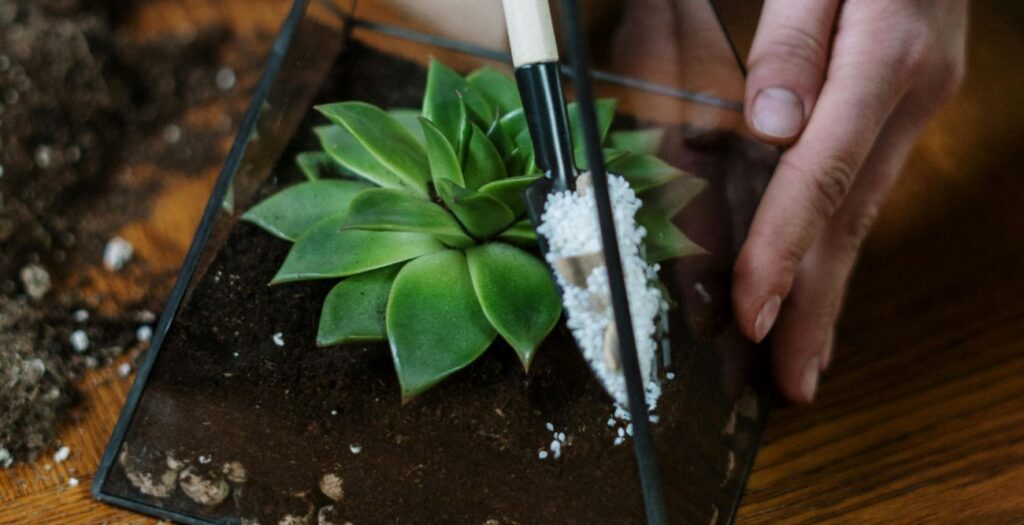
It’s easy to think of a terrarium as a self-contained world that takes care of itself. And in some ways, it does! Closed terrariums especially are famous for their low-maintenance reputation.
However, even the most self-sufficient setup benefits from a little human attention now and then. Over time, algae starts creeping up the glass walls, especially on sides that get more light.
Dead plant material falls and begins to break down on the substrate. Mineral deposits from tap water leave cloudy white streaks on the glass.
All of these things, left unchecked, can create an environment where your plants have to work harder just to stay alive. You can also check a complete article about terrarium plant care here to help you out.
What happens when buildup goes unnoticed
Algae on the glass might look harmless, but it actually competes with your plants for light. When the walls are coated in green film, the light that reaches the interior gets filtered and reduced and that’s a problem, particularly for light-hungry species.
Decaying organic matter sitting on the soil surface can also introduce mold, attract fungus gnats, and throw off the moisture balance inside the terrarium. You’ll want to catch and remove it before it becomes a bigger issue.
The difference between a clean and a deep clean
A regular clean is quick, wiping the glass, removing dead leaves, and checking for obvious mold. A deep clean, on the other hand, involves temporarily removing plants, replacing substrate, and sanitizing the enclosure more thoroughly.
Most terrariums need a regular clean every two to four weeks and a deep clean once or twice a year. Knowing the difference helps you plan your routine without overcomplicating things or stressing your plants unnecessarily.
What you’ll need before you start
Before you dive in, it helps to have everything ready so you’re not hunting for tools mid-clean. Here’s a simple list of what you’ll want to gather.
- A soft microfiber cloth: for wiping the inside and outside of the glass without scratching
- A long-handled brush or aquarium algae scraper: for reaching corners and algae on curved glass
- A small pair of scissors or pruning snips: for trimming dead leaves or overgrown plants
- A spray bottle with distilled water: for misting the glass clean without mineral streaks
- A small spoon or trowel: for removing debris from the substrate surface
- Paper towels: handy for absorbing excess moisture during the process
- White vinegar (diluted): for tackling stubborn mineral deposits on the exterior glass
- Tweezers: for picking out tiny debris without disturbing surrounding plants
Avoid using harsh chemical cleaners, bleach, or soap inside the terrarium. Even residue from these products can harm your plants and disrupt the microbial balance in the soil.
How to clean a terrarium in 5 steps
Now we’re getting into the heart of it. Following a clear sequence makes the whole process faster and less likely to cause accidental damage to your plants or substrate.
Step 1: remove dead leaves and debris first
Start by using your tweezers or small trowel to carefully pick out any dead leaves, fallen bark, or visible debris sitting on the soil surface. Work slowly and avoid pressing down on the substrate too much, compaction isn’t great for root health.
If you spot any moldy patches on the soil surface, scoop those out too. A little surface mold is common in humid terrariums, but you don’t want it spreading.
Removing it early keeps things balanced and prevents it from stressing your plants., or decaying matter. Green, black, or yellow coloring is a strong signal that it’s actual mold.
Step 2: trim overgrown or yellowing plants
Before you touch the glass, take a moment to trim back any plants that are getting too big or showing yellowing leaves. Knowing how to clean a terrarium properly means treating the plants themselves as part of the cleanup, not just the glass and substrate.
Use clean scissors to snip off yellow or brown leaves at the base. For plants that have outgrown their space, trim the top growth to encourage bushier, more compact habits. Drop the cuttings into a bag and remove them, don’t let them sit in the terrarium to decay.
Step 3: clean the inside glass surfaces
This is where a long-handled brush or algae scraper really earns its place. Use it to loosen algae from the interior walls, working from top to bottom so any debris falls down rather than onto already-clean areas.
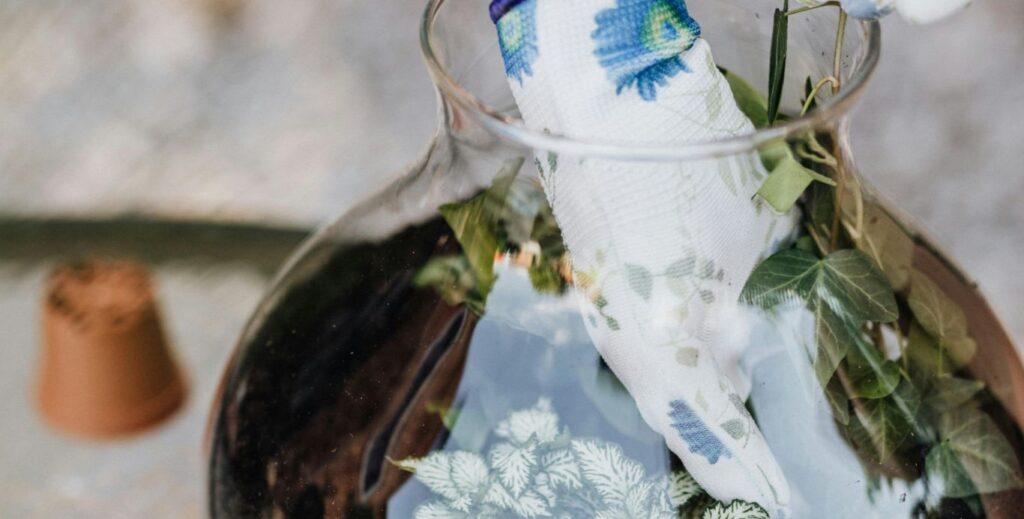
After loosening the algae, use a damp microfiber cloth wrapped around the scraper (or your hand, for wider-mouthed terrariums) to wipe the glass clean. Mist with distilled water as needed to help lift residue without leaving streaks.
Step 4: address the substrate surface
Once the glass is clean, take another look at the top layer of substrate. Gently rake or stir just the very top layer with your small trowel to refresh it and help with airflow.
This is also a good moment to check something that often gets overlooked when you learn how to clean a terrarium: signs of excess moisture pooling at the base, which could indicate drainage issues.
If your terrarium has a drainage layer (like LECA or gravel at the bottom), you don’t need to disturb it during a regular clean. Just make sure the surface looks healthy and isn’t waterlogged.
Step 5: clean the exterior glass
Finally, tackle the outside. A diluted white vinegar solution (one part vinegar, one part distilled water) works really well for removing mineral deposits and hard water streaks from the outside of the glass. Spray it on and wipe with a clean microfiber cloth.
For acrylic terrariums, skip the vinegar and use plain distilled water instead. Vinegar can cause minor hazing on acrylic surfaces over time. Always wipe in gentle circular motions rather than scrubbing hard.
How often should you clean your terrarium?
The honest answer is: it depends on your setup. Open terrariums dry out faster and tend to gather dust, so they often need more frequent glass wiping, roughly every one to two weeks.
Closed terrariums are more self-contained, but they can develop algae quickly due to the high humidity, so aim for a gentle interior wipe every two to four weeks.
| Terrarium type | Glass wipe | Debris removal | Deep clean |
|---|---|---|---|
| Open terrarium | Every 1–2 weeks | Every 2 weeks | Once a year |
| Closed terrarium | Every 2–4 weeks | Monthly | Once or twice a year |
| Bioactive setup | Every 2–4 weeks | As needed | Rarely needed |
Bioactive terrariums with a healthy cleanup crew (like springtails and isopods) actually do a lot of the debris-management work for you. That said, they still need glass cleaning and the occasional trim to stay looking their best.
3 most common mistakes to avoid
Even well-meaning terrarium owners can accidentally stress their plants during a cleaning session. Here are a few pitfalls worth knowing about ahead of time, so you don’t learn them the hard way.
Using tap water on the interior glass
Tap water contains minerals that leave white, chalky residue behind when they dry. Knowing how to clean a terrarium properly means always using distilled or filtered water on interior surfaces. It makes a noticeable difference in how clear your glass stays between cleans.
Outside the terrarium, tap water is usually fine, but if you live somewhere with very hard water, you might notice streaks there too. Distilled water for everything is the safest call.
Cleaning too aggressively or too often
Over-cleaning can disturb the beneficial microorganisms living in your substrate. These tiny helpers break down organic matter and keep the soil ecosystem balanced. Scrubbing the substrate vigorously or replacing it too often resets all of that progress.
Stick to gentle, surface-level maintenance during regular cleans. Save any deep intervention for situations where something is genuinely wrong, like a severe mold outbreak or a pest infestation, rather than routine upkeep.
Forgetting to check drainage after cleaning
After you’ve finished wiping and trimming, take a moment to check that water is draining properly in your setup. Pour a small amount of distilled water near the edge of the substrate and watch, it should absorb without pooling on the surface.
If it pools, your drainage layer might be blocked or your substrate might be compacted, and that’s worth addressing before it leads to root rot.
A few tips for keeping it cleaner between sessions
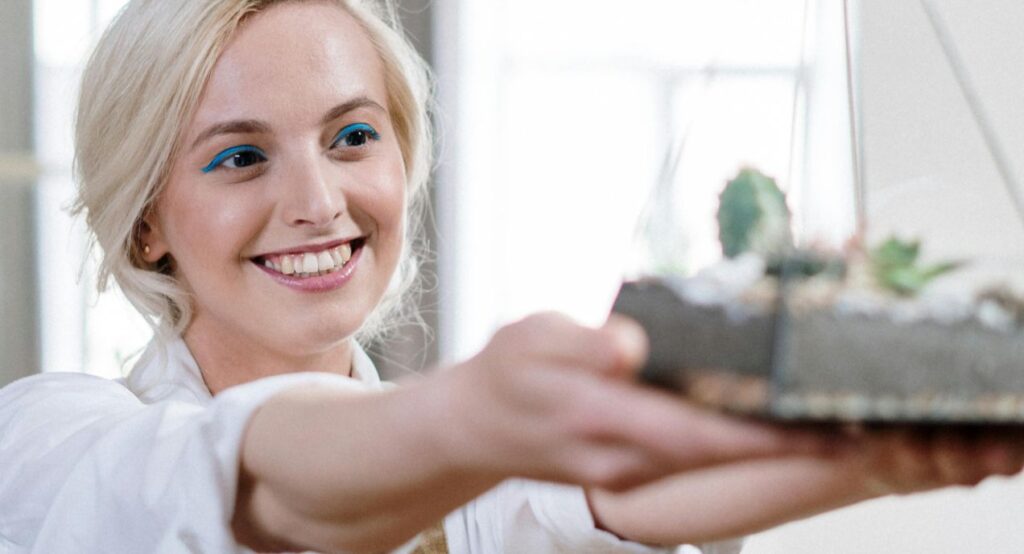
Once you’ve nailed the how to clean a terrarium routine, a few small habits can stretch the time between full cleaning sessions nicely.
Position your terrarium somewhere it gets bright, indirect light rather than direct sun. Direct sun encourages algae to grow much faster on the glass. Using distilled water for any misting or watering also reduces mineral buildup significantly.
And if you have a closed terrarium, cracking the lid slightly after watering allows excess moisture to escape which keeps the glass clearer and reduces the risk of mold.
Lastly, when you’re adding new plants or decorations, make sure everything is clean before it goes in. Algae, pests, and mold can hitch a ride on new additions and establish themselves before you even realize what’s happening.
Keep learning: why is your terrarium plant dying?
If you’ve just cleaned your terrarium and you’re still noticing that one of your plants doesn’t look quite right, you’re definitely not alone. A clean environment is a huge help, but sometimes plants struggle for other reasons that are worth understanding.
We put together an article that walks through the most common causes of plant decline in terrariums and, more importantly, what you can actually do to turn things around before it’s too late.
The article covers everything from root rot and overwatering to light issues and pest damage, with practical fixes for each one. It’s a really useful next step if you’re troubleshooting a plant that just isn’t thriving.
Head over and read “Why is my terrarium plant dying? (and the fix)”, you might find exactly the answer you were looking for. Your plants will thank you for taking the time to figure out what they really need!