
Your plants are sending signals so let’s decode them together before it’s too late!
If you’ve ever stared at your little glass garden thinking something’s seriously wrong, you’re not alone. A terrarium plant dying is one of the most common frustrations plant lovers face.
The tricky part is that terrariums are closed ecosystems, so problems build up quietly. By the time leaves yellow or stems wilt, something’s usually been off for a while already.
But here’s the good news: most causes are totally fixable once you know what to look for. No fancy tools needed, just a little patience and the right guidance.
So, let’s walk through this together, figure out what’s going wrong, understand why it’s happening, and learn exactly how to turn things around before even more damage is done today.
The most common reasons your terrarium plants are struggling
Before jumping to solutions, it really helps to understand the “why” first. Terrarium environments are unique, and what works for regular houseplants doesn’t always apply in here. Let’s walk through the main culprits.
Too much or too little water
Overwatering is, hands down, the number one reason plants decline inside terrariums. Because closed terrariums naturally recycle moisture, they need far less water than most people would ever expect.
On the flip side, open terrariums dry out faster, making underwatering a real issue too. Soil should feel slightly damp — not soggy, not bone dry — and maintaining that balance is everything inside a glass container.
Wrong light conditions
Plants in terrariums are often placed in spots that look bright but are actually quite dim. A windowsill with just a couple of hours of indirect sun may not cut it for more light-hungry species.
Conversely, placing a terrarium in direct sunlight can turn the glass into a magnifying lens, slowly cooking the plants inside. Most terrarium-friendly plants thrive in bright, indirect light so placement truly matters more than people realize.
Want to know more about terrarium lighting? There’s a complete article about LEDs vs natural light here. Check it out to learn the basics!
Choosing plants that don’t belong together
Not every plant belongs in a terrarium, and mixing incompatible species is a guaranteed recipe for trouble. Cacti and succulents hate the humidity of a closed setup, while tropical ferns absolutely love that moisture.
If your plants are competing for completely opposite conditions, at least one of them is going to struggle badly. Researching plant compatibility before building your setup saves a whole lot of heartbreak further down the road.
A terrarium plant dying because of a poor pairing is more common than you’d think. Fortunately, it’s easy to prevent with a little research before planting anything at all.
Poor drainage or the wrong soil mix
Terrariums don’t have drainage holes, so water has nowhere to go if you’ve used the wrong substrate. Regular potting soil compacts easily and holds too much moisture, creating the perfect conditions for root rot to develop.
A solid terrarium soil mix usually includes horticultural charcoal, perlite, or coarse sand to help with drainage and airflow. That layered base at the bottom of the container is doing genuinely important work down there.
Temperature extremes and drafts
Plants inside glass are more sensitive to temperature swings than you might realistically expect. A terrarium sitting near a vent, radiator, or drafty window can experience stressful fluctuations that gradually weaken or kill the plants inside.
Most terrarium-friendly plants prefer stable temperatures, roughly between 60°F and 80°F (15°C to 27°C). Consistency matters much more than hitting a perfect number, so find a stable spot and stick with it.
Pests hiding inside the enclosure
Fungus gnats, mites, and springtails can all find their way into your setup, especially if the soil wasn’t properly treated beforehand. Inside a closed container, pests multiply fast without any natural predators to keep their numbers in check.
A terrarium plant dying from pest damage often shows tiny holes in leaves, webbing, or a sticky residue on the glass. Catching these signs early is key. The longer you wait, the harder the situation gets to manage.
How to fix a dying terrarium plant: step by step
Now that you know the likely causes, let’s talk about the actual fixes. Most of these are simple adjustments, not dramatic overhauls. Though sometimes a full reset is honestly the most loving thing you can do for your plants.
Check and adjust your watering routine
WWatering is the most common thing people get wrong in terrariums. Too much or too little can both cause serious damage, so learning to read your setup matters.
The key is to stop watering on a fixed schedule and start responding to what the soil and glass walls are actually showing you each time you check.
Figuring out the moisture level
Push your finger about an inch into the soil and feel around carefully. If it’s wet, hold off on watering entirely and leave the lid off for a day or two so things can breathe and dry out a little.
If the soil feels bone dry and the plants are wilting, give a light, even watering just enough to moisten the substrate without pooling water at the very bottom of the glass.
How often should you actually water a terrarium?
Closed terrariums might only need watering every two to four weeks. Sometimes even less often than that. Open terrariums generally need water every one to two weeks, depending on the season and the specific plants you’re growing.
Watch for light condensation on the glass walls, since a little fogging is healthy in a closed setup. But if the inside is dripping wet, go ahead and crack the lid to let some moisture escape for a while.
Adjust the lighting setup
Move your terrarium to a spot with bright, indirect light, near a north or east-facing window is often ideal for most setups. If natural light isn’t doing enough, a grow light placed 6–12 inches above the terrarium can work really well.
For a terrarium plant dying from light stress, look for pale, leggy growth when there’s too little light, or scorched brown patches when there’s too much direct sun hitting the glass. Both are totally fixable once identified.
Repot or replant with the right soil
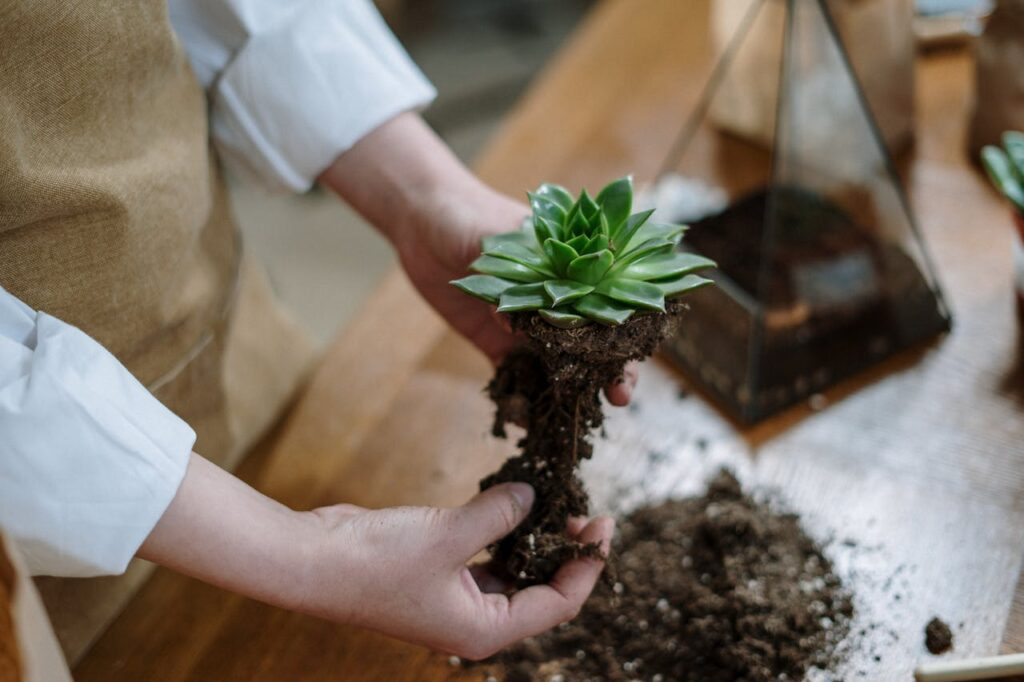
If root rot is the issue, take the plants out, trim any black or mushy roots carefully, and replant everything in fresh, well-draining substrate. A mix of potting soil, perlite, and activated charcoal works great for most terrarium plants.
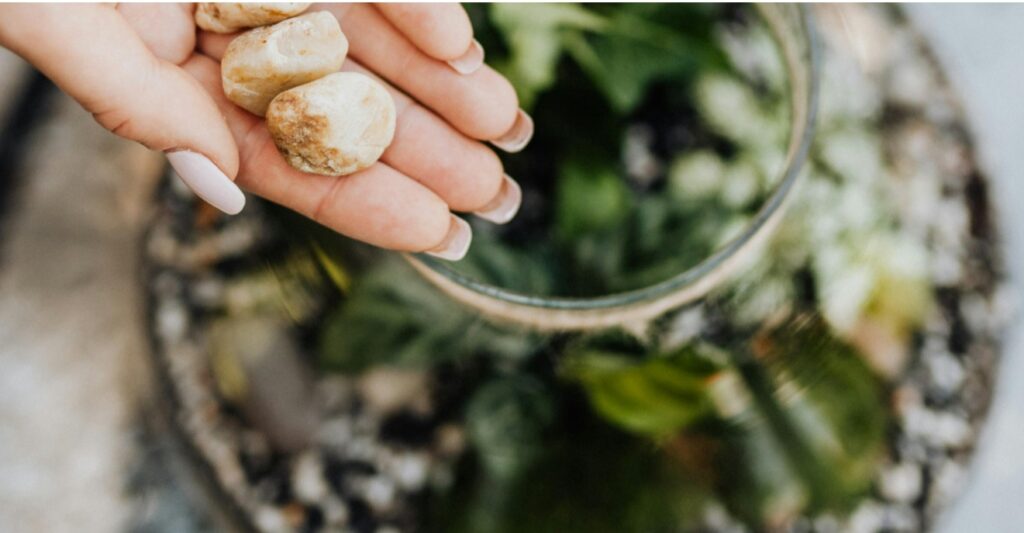
Make sure your container has a drainage layer at the bottom — pebbles or lava rock work perfectly — before adding any soil. That buffer zone keeps roots from sitting directly in any water that collects at the very bottom.
Treat pests quickly and carefully
For fungus gnats, simply letting the soil dry out between waterings is often enough to naturally break their life cycle over time. You can also add a thin layer of sand on top of the soil, making it harder for them to lay their eggs.
For mites or other insects, neem oil diluted in water makes a gentle but effective spray to use on affected plants. Remove heavily infected leaves first, and quarantine any affected plants to stop the problem from spreading further around your setup.
When to start fresh instead of trying to save the plant
Sometimes the kindest thing you can do is accept that a plant is beyond saving. If the roots are entirely rotted, the stem is mushy at the base, or the plant has fully collapsed, recovery at that point is very unlikely.
Leaving a dead or dying plant inside the terrarium can also introduce mold and bacteria that affect everything else sharing that space. So, removing it quickly is actually the most protective thing you can do for your other plants.
A terrarium plant dying doesn’t mean you’ve failed as a plant parent, it happens to absolutely everyone, even experienced growers with years of practice. What matters most is figuring out what went wrong so you can approach your next attempt differently.
When you do start over, take your time choosing plants and resist the urge to crowd too many into one container. A simple, well-matched two or three-plant setup will almost always outperform a complicated, overstuffed one every single time.
You might also want to read this before your next build
If you’re rebuilding or starting over, there’s one question worth exploring first. Drainage connects directly to everything we covered here, root rot, overwatering, and long-term plant health.
We have a full article on that question, breaking down whether a drainage layer is truly necessary and what it actually does inside any terrarium container at all.
If you’ve been curious about whether you really need pebbles at the bottom and what skipping them does to your plants over time, that article answers it clearly.
Go ahead and check out “Can you build a terrarium without drainage?”, it pairs perfectly with this article and could save you from a very common mistake.